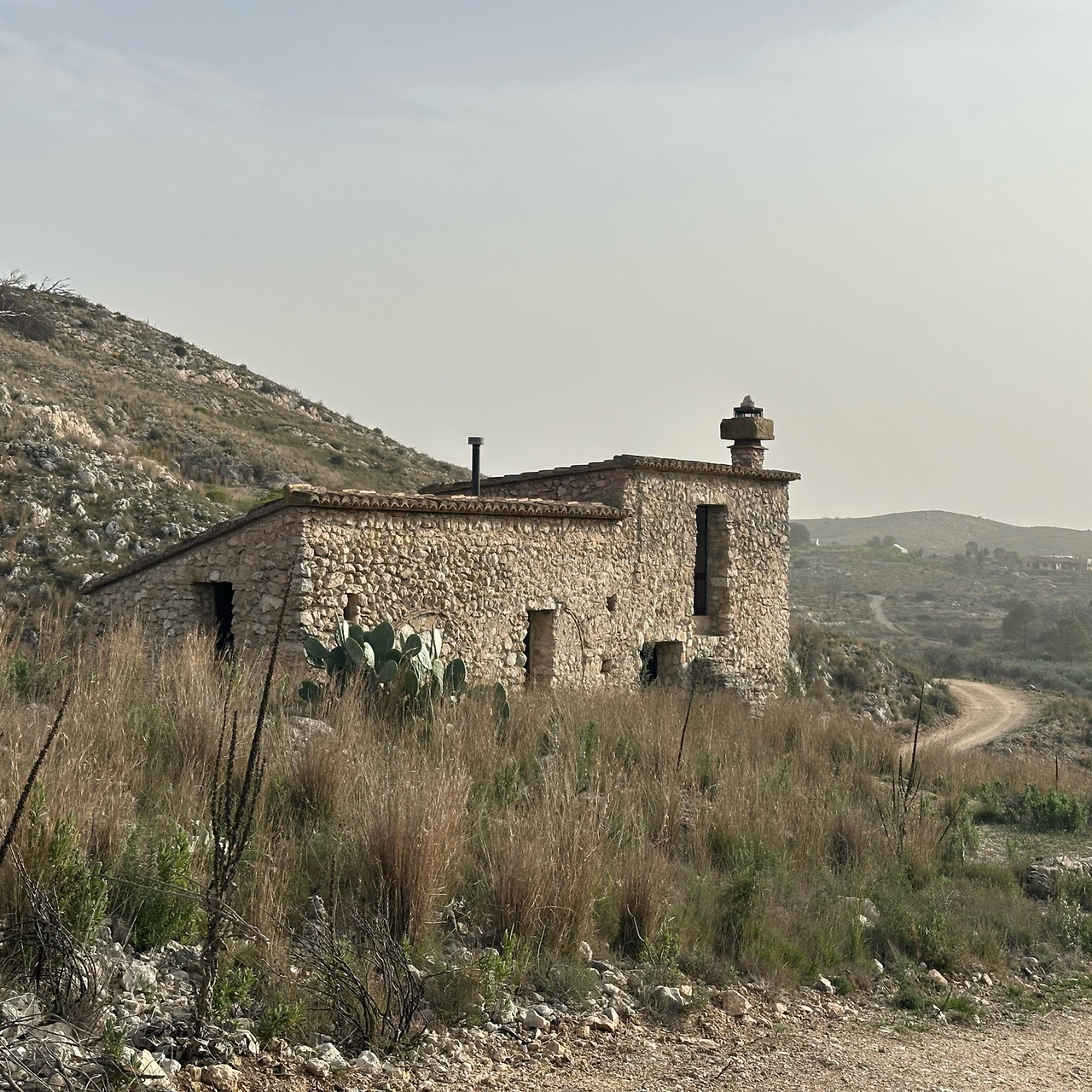
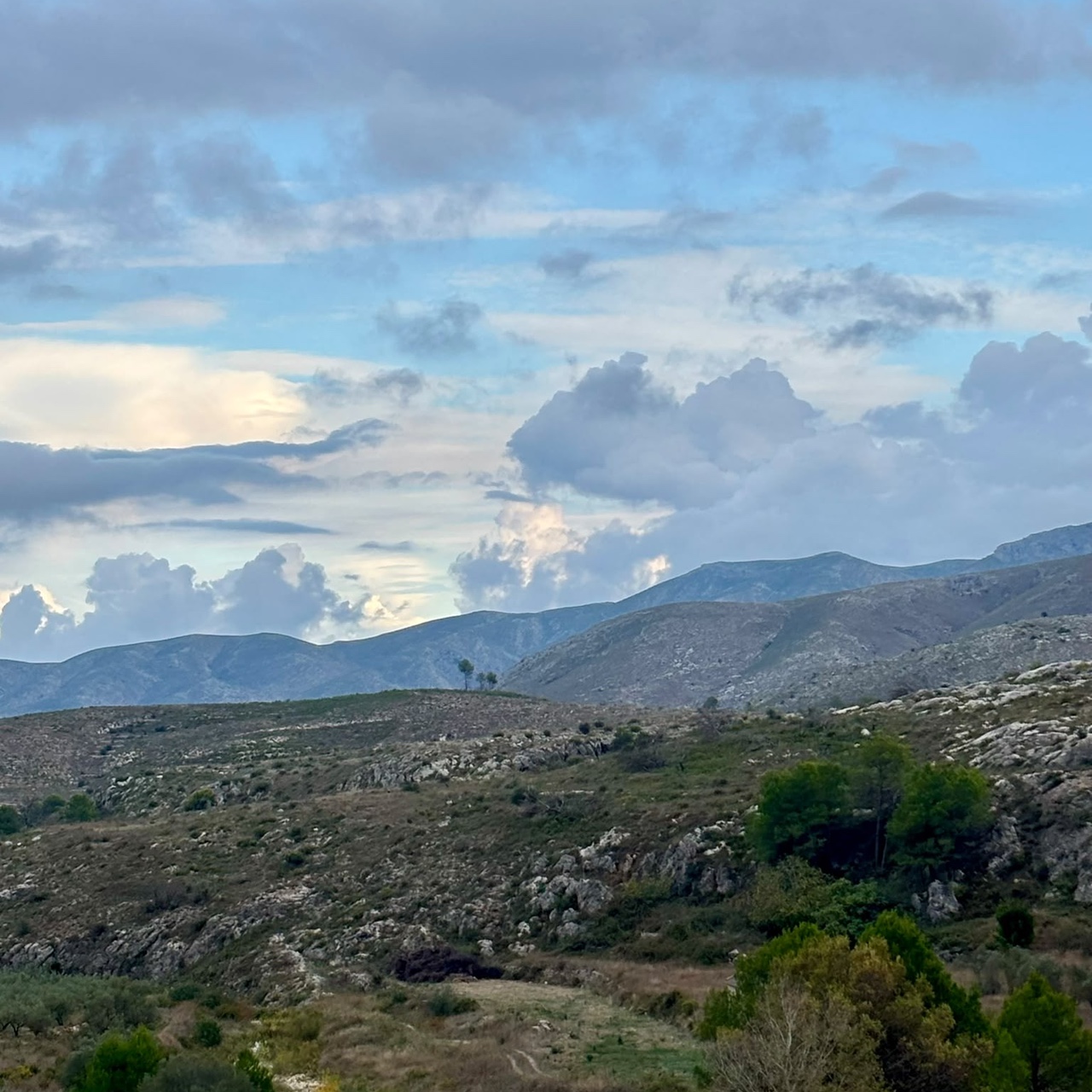
Around 1990, during a walk in the mountains of Alicante, Vicente Todolí came across a devastated estate: its house was in ruins and its dry-stone terraces had collapsed. He decided to acquire it with the aim of restoring the landscape and returning it to cultivation.
The project began by planting species native to the area: olive trees, cherry trees, perellones—pear-shaped apples—, service trees or cervellones, azaroles, jujube trees, fig trees, strawberry trees, cypresses, stone pines, almond trees, walnut trees and junipers. Virgin olive oil production was also started in order to keep the land in good condition. Soon after, in Palmera, the small citrus collection began with local varieties that were disappearing, such as blood oranges and perets.
The estate initially comprised seven terraced hectares and just twelve olive trees. It lies two hundred metres from the Foradà rock formation, at an altitude of six hundred and fifty metres. Over more than thirty years, it grew to include one thousand olive trees. Before the 2022 fire, it produced around two thousand litres a year of a distinctive olive oil that came to be listed among the world’s five hundred best olive oils.
This first agricultural and landscape project promoted by Vicente Todolí has recently been donated to Todolí Citrus Fundació. Its incorporation strengthens our commitment to the protection of the environment, the landscape and the sociocultural heritage of our territory.
The estate is located in one of the areas severely affected by the Vall d’Ebo wildfire, which devastated more than twelve thousand hectares in the summer of 2022. However, this was not the first time fire had reached these fields: when Vicente Todolí acquired them, they had already been abandoned following a fire, and they later endured two further, less severe incidents. On each occasion, the cultivated land acted as a valuable barrier against the advance of the flames.
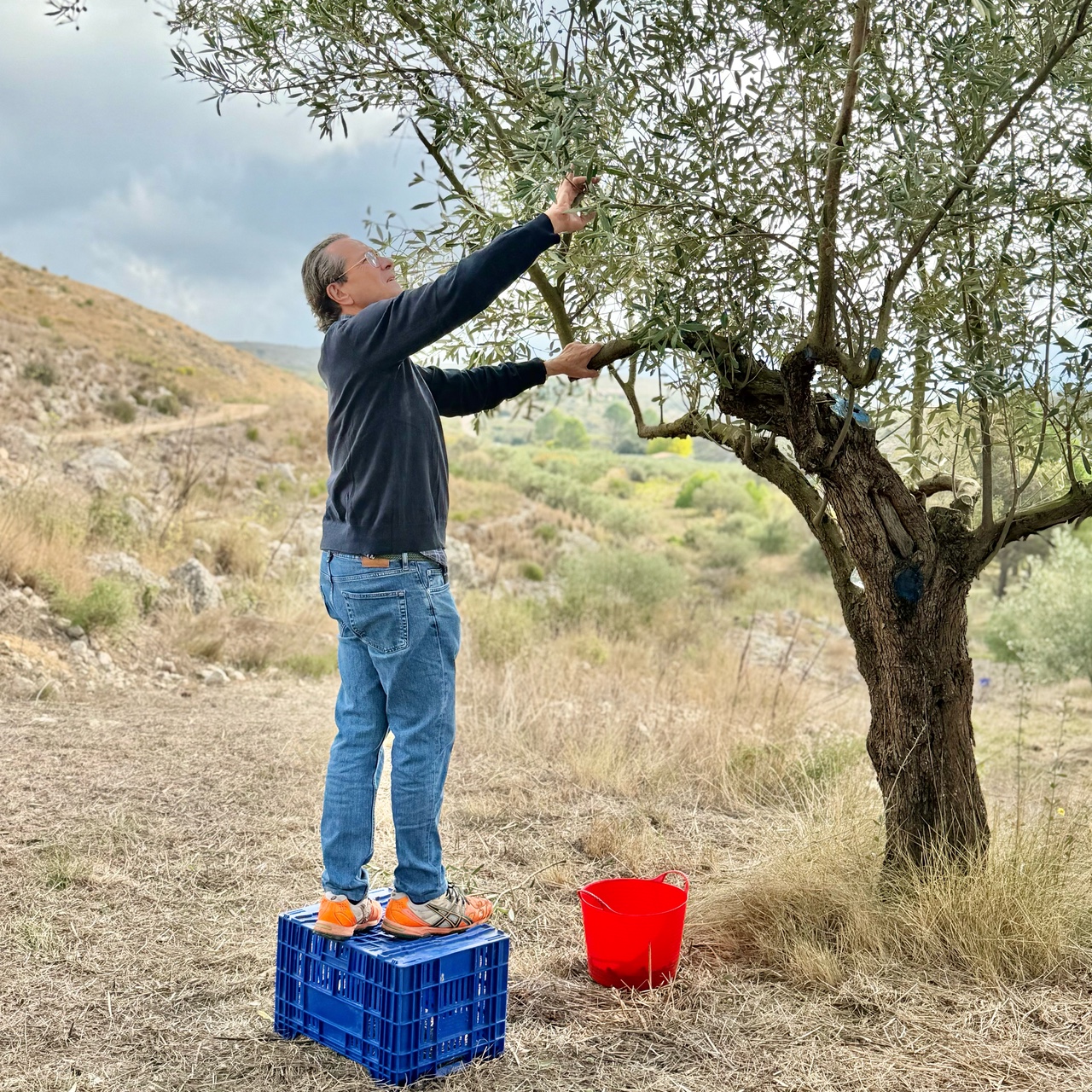
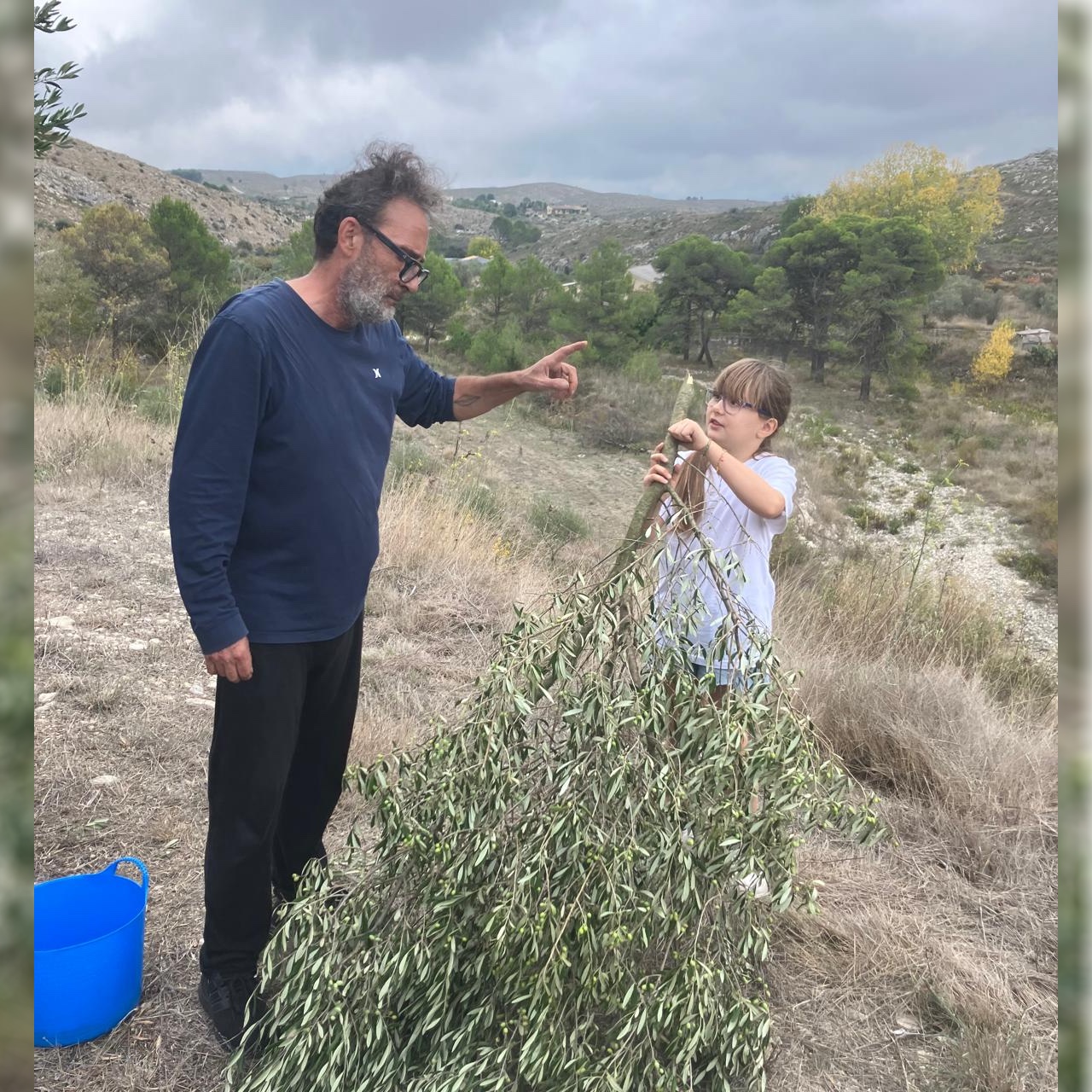
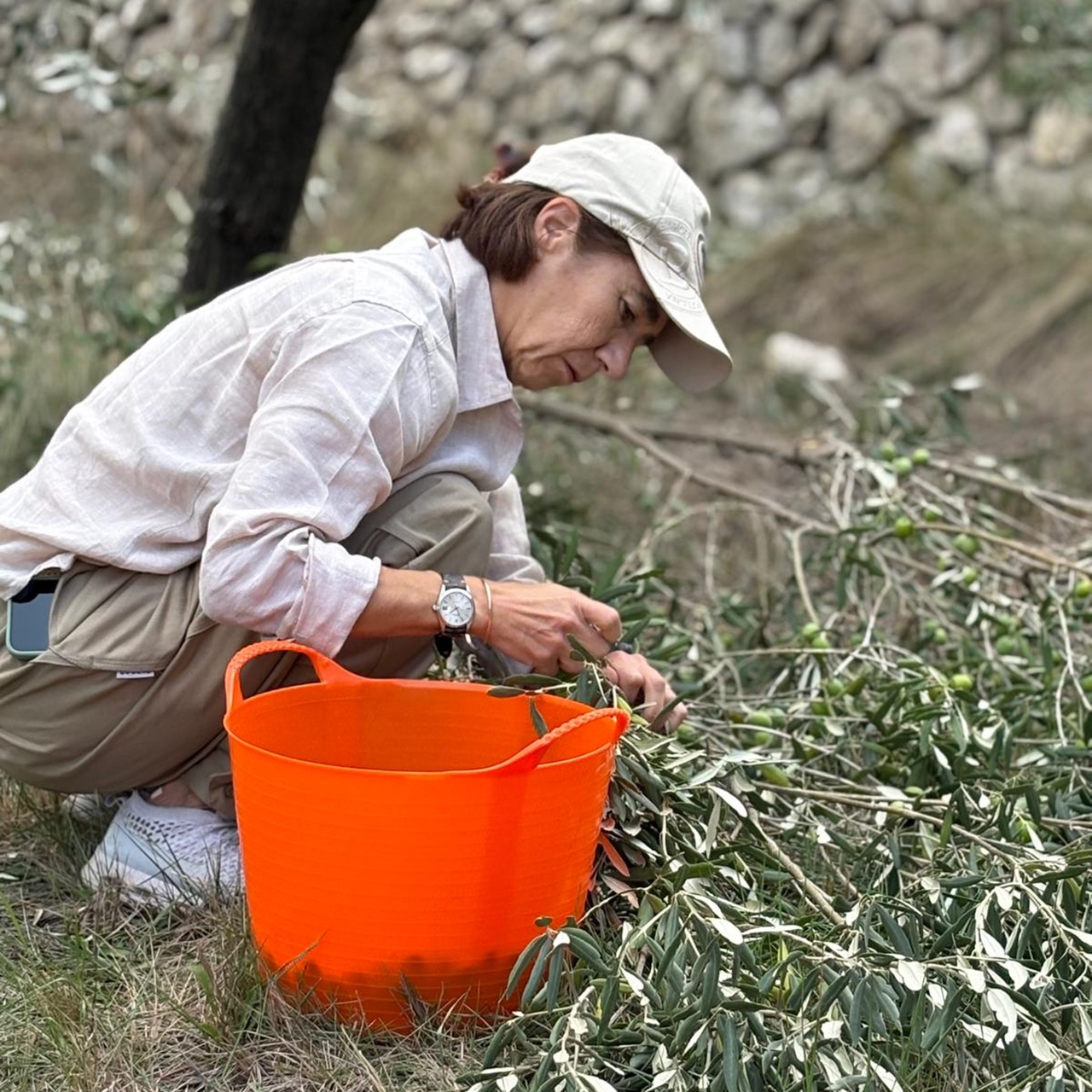
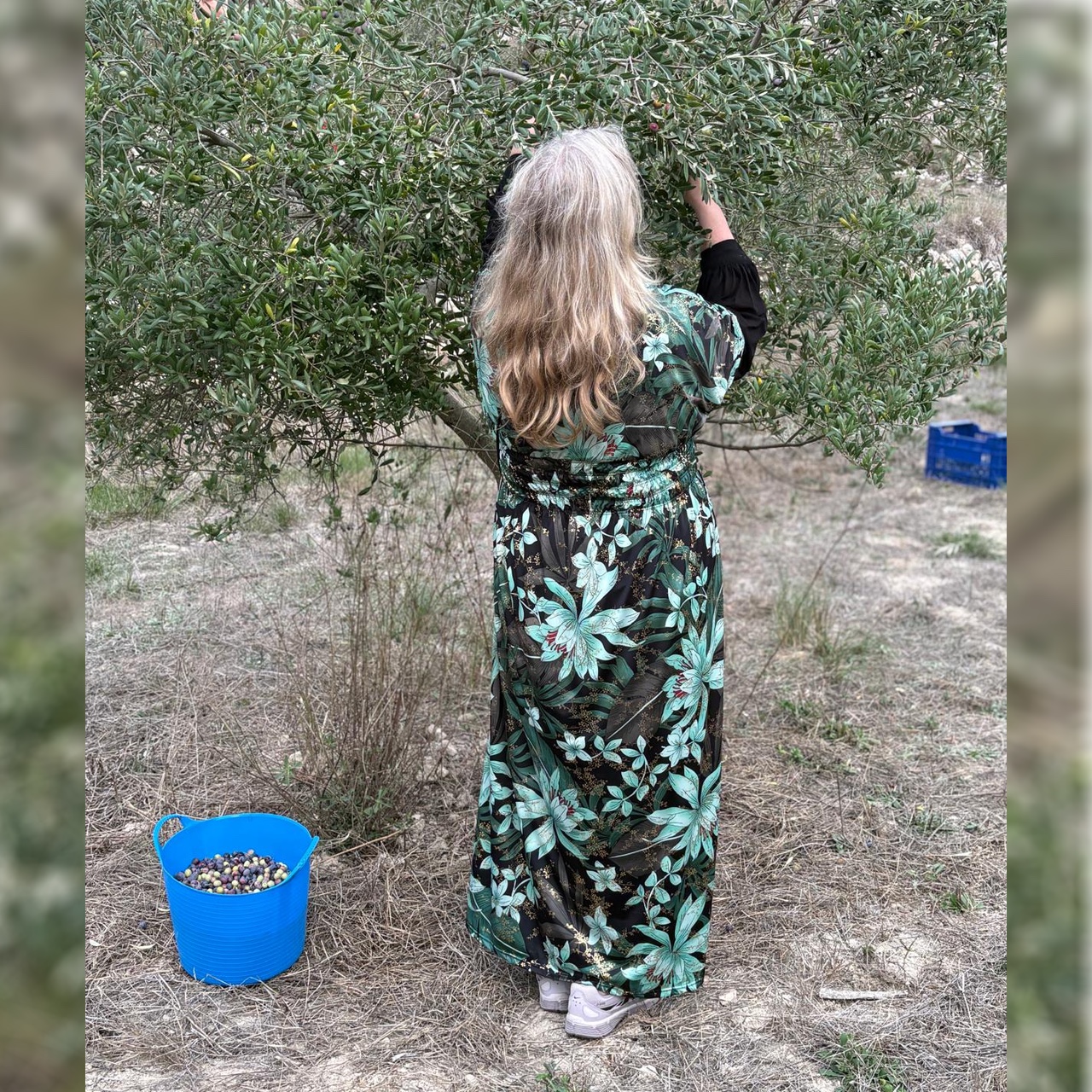
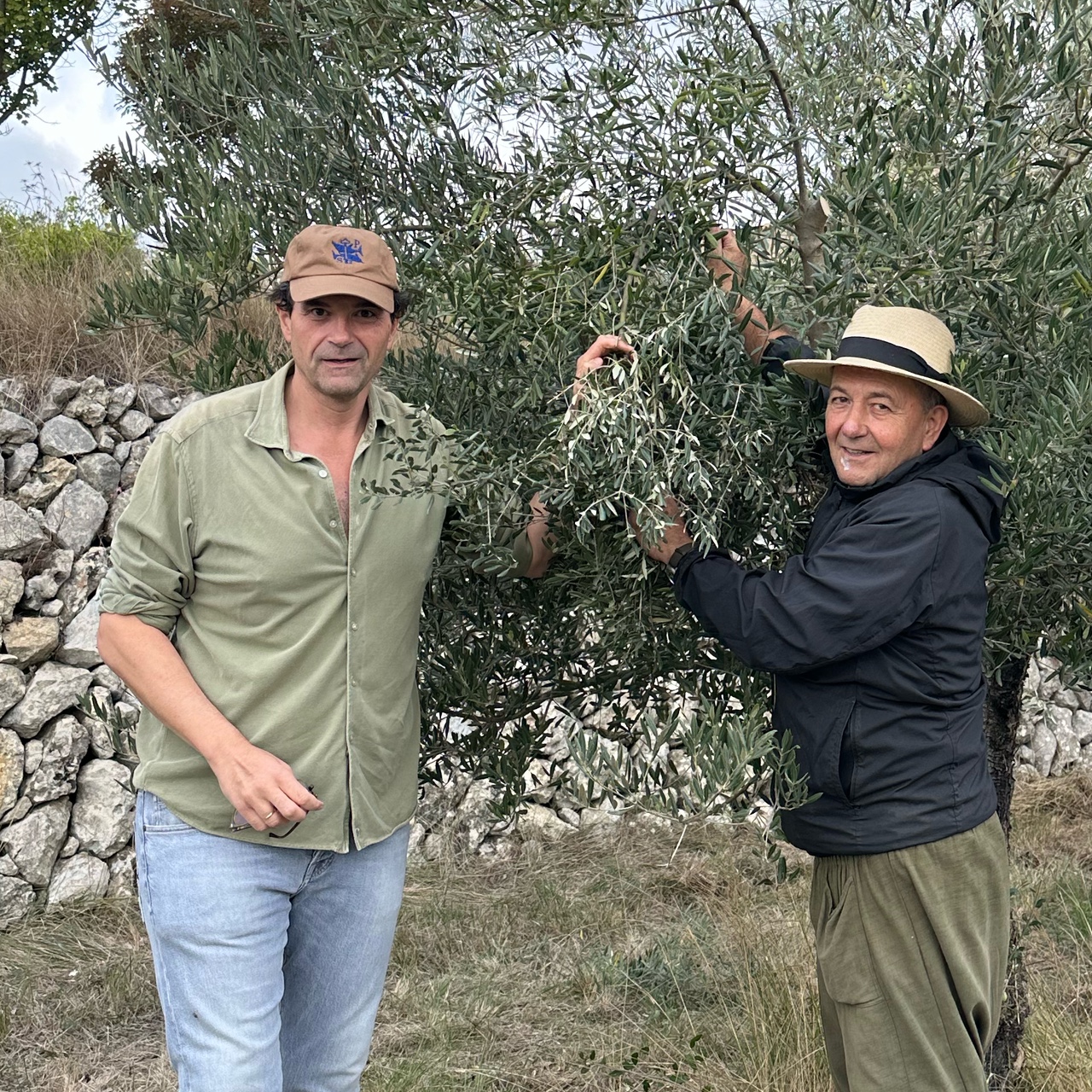
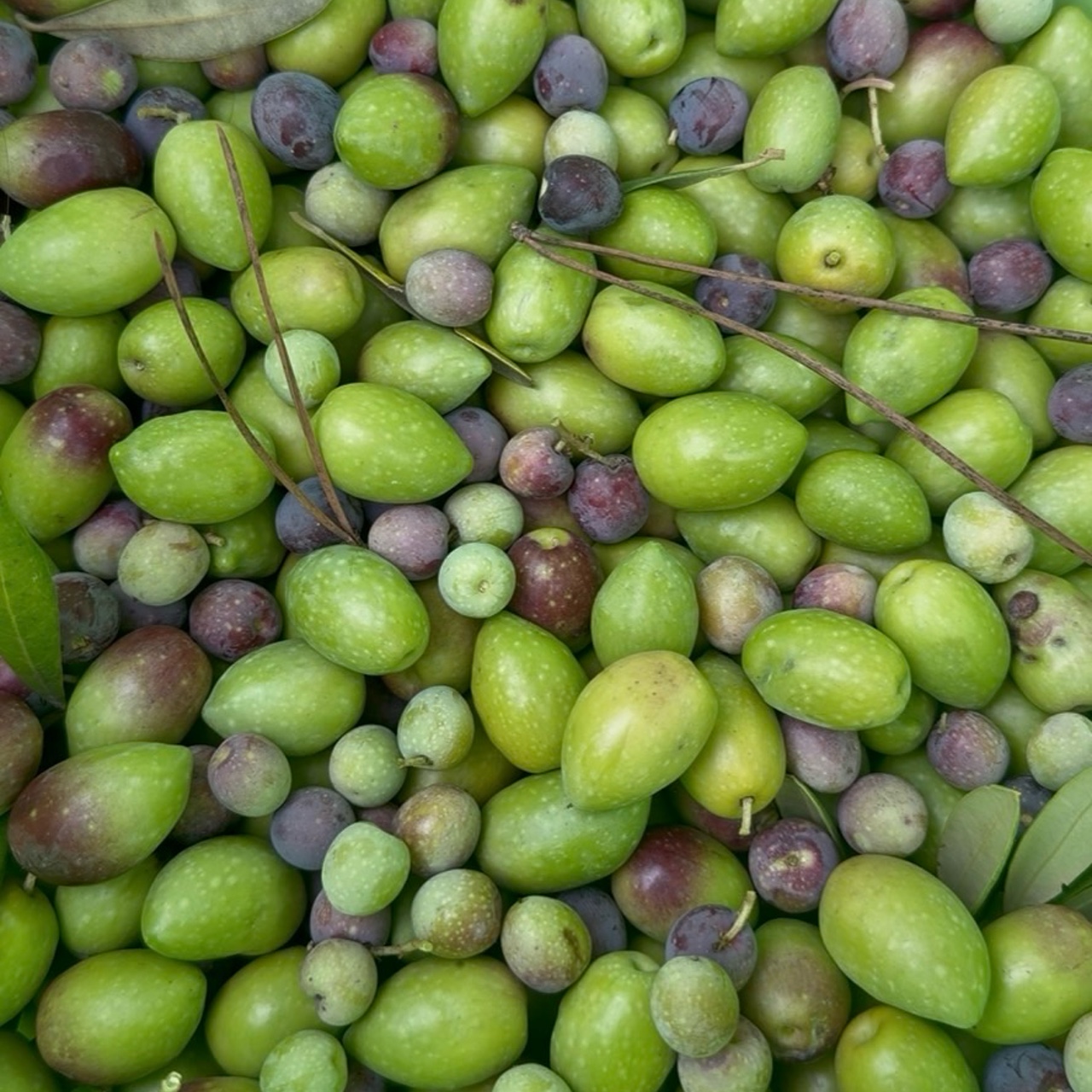
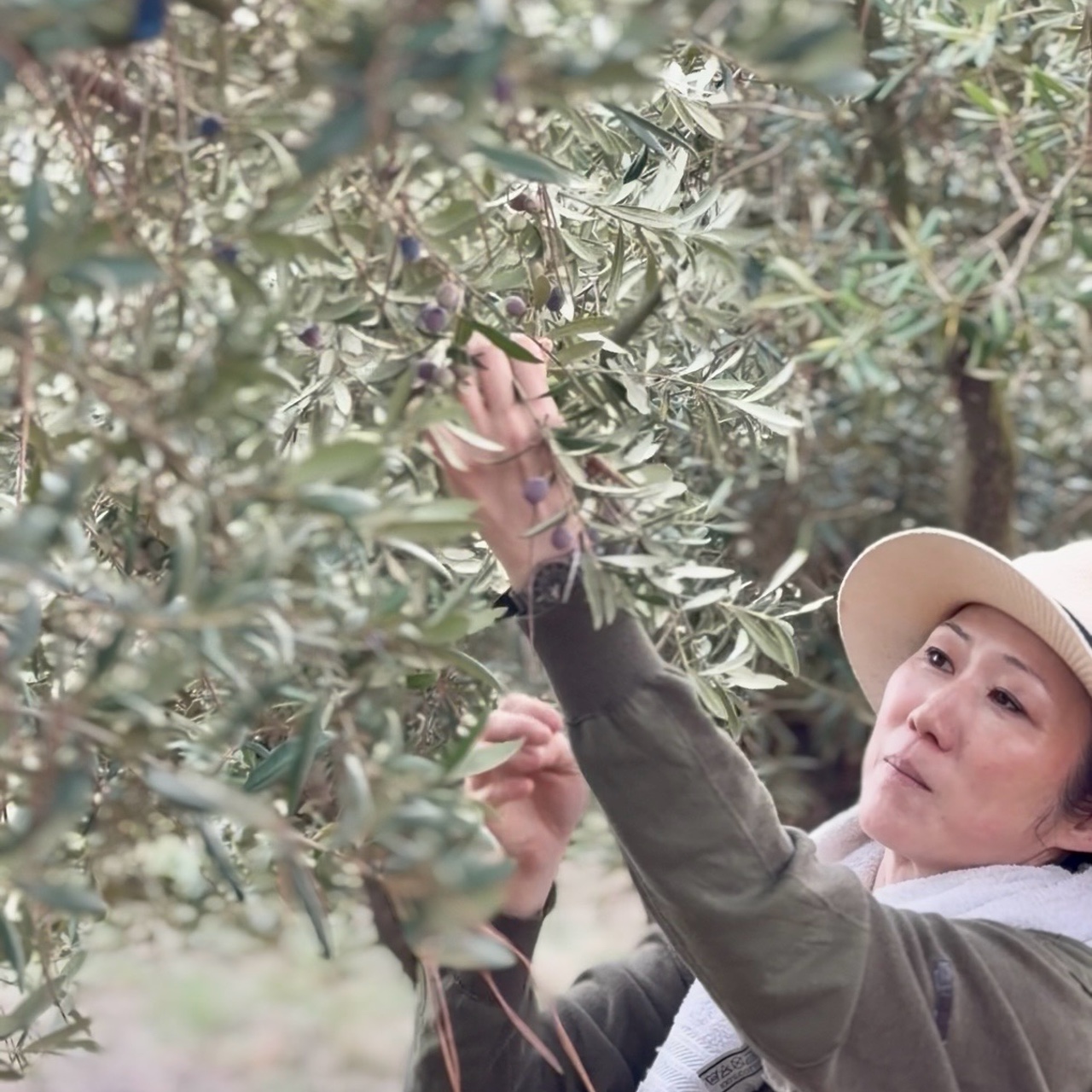
The recovery following the 2022 fire has been slow. Last year, we were able to make the first harvest after several years. It was modest, but deeply encouraging after such a long wait. A few days ago, we celebrated a new harvest: a hopeful sign that, little by little, the landscape is bearing fruit again.
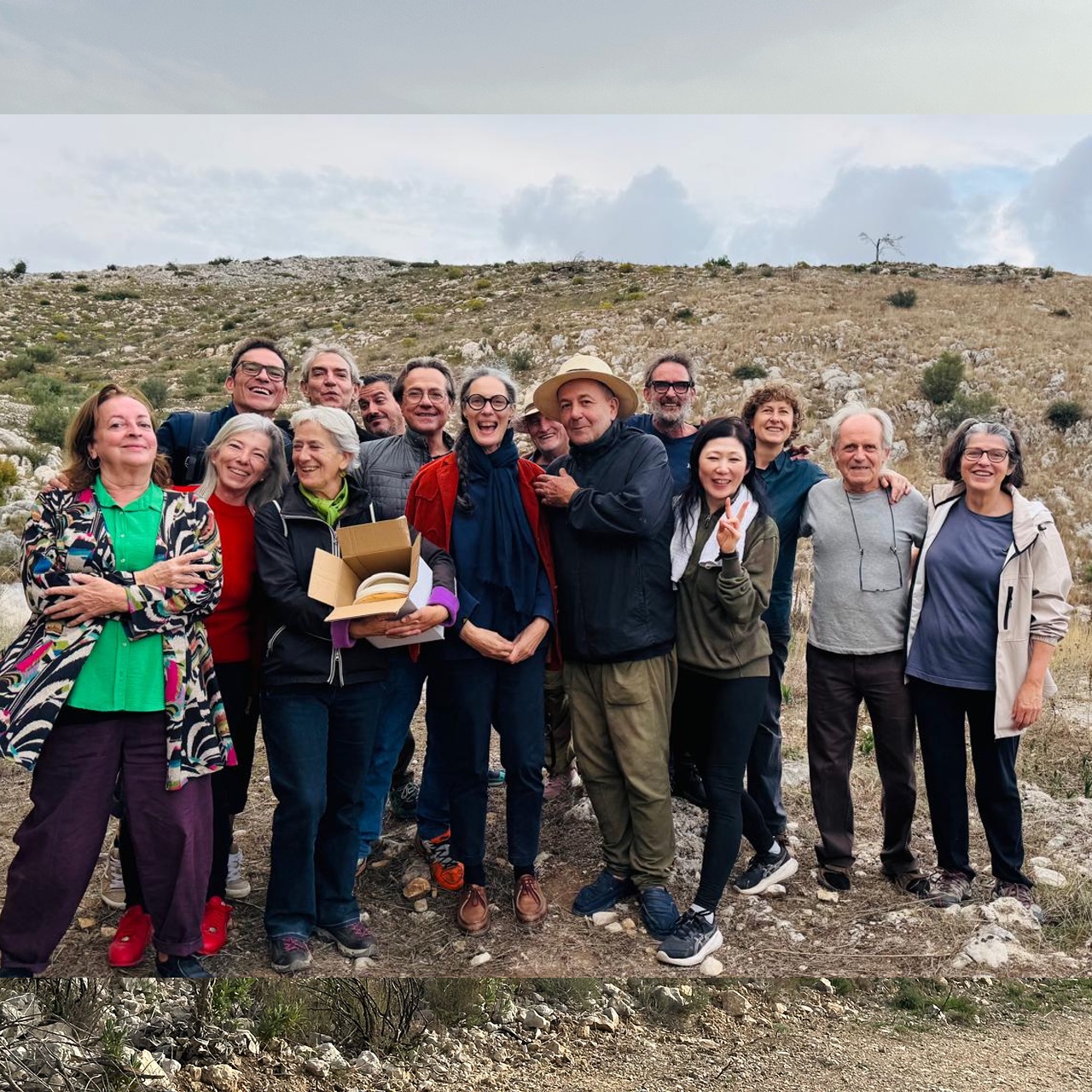
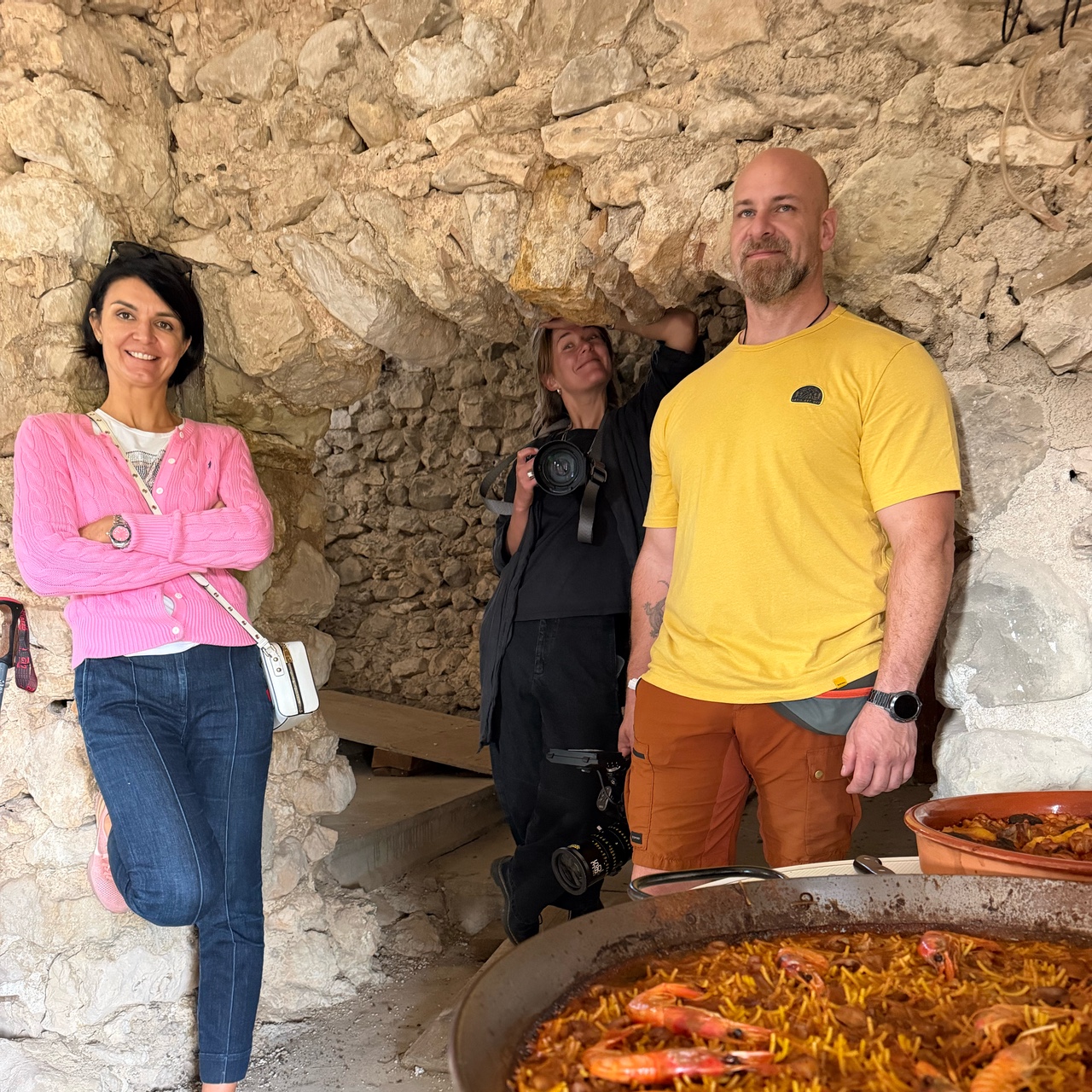
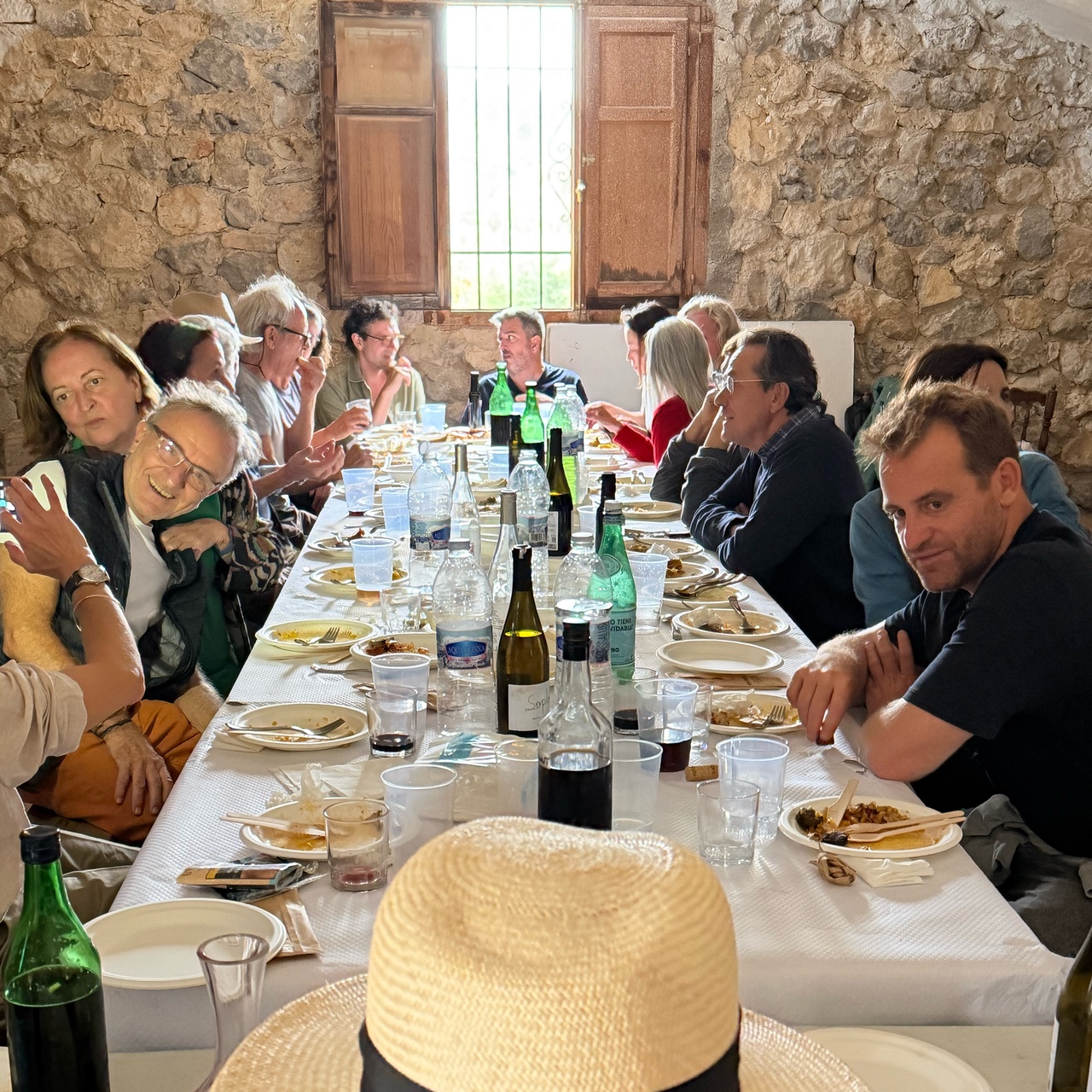
Over the years, the harvesting of green olives in October, alongside the small stone house without electricity or drinking water, had become an annual gathering for friends from around the world—some of them artists, collectors or art lovers—drawn by the beauty of these valleys and a way of life closely connected to the land.
This experience confirms the need to rethink landscape management after major wildfires. Cultivating the land and encouraging native species that are more resistant to fire—such as mature olive trees, oaks, holm oaks and certain laurel forest formations—can help protect these environments. Cultivated fields have historically acted as natural firebreaks; recovering and keeping them alive is also a way of caring for the future of the mountains.
A new edition of Totoli olive oil will soon be available: the testimony of a recovering landscape, of patient work, the resilience of cultivation and the conviction that continuing to farm is also a way of caring for the territory.