Media: Castellón Plaza
Original title: La Fundació Caixa Castelló acoge una reflexión de Vicent Todolí acerca del arte, la tierra y el tiempo
Author: Plaza
Photography: Ulalalau Fotografia
Date: 5 June 2026
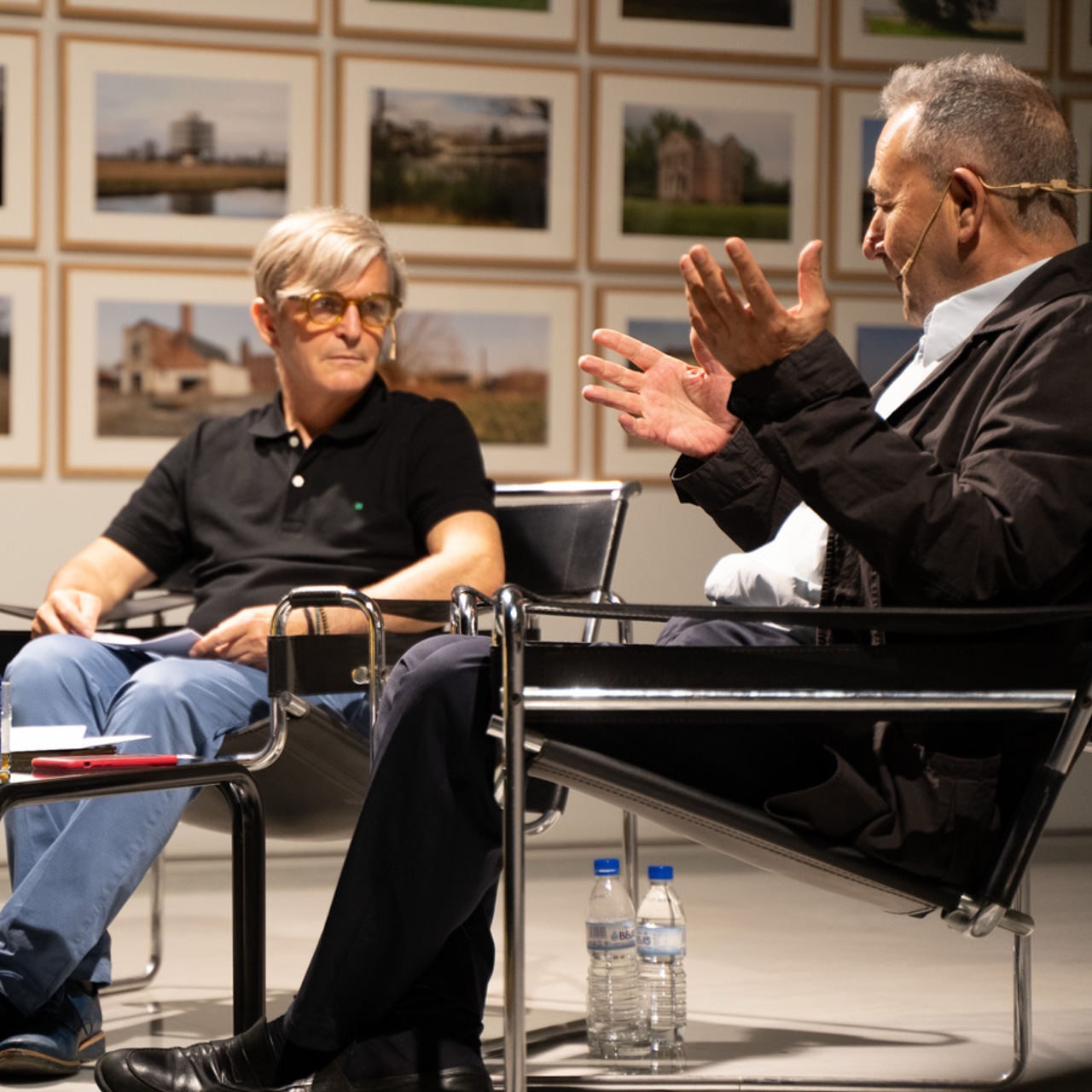
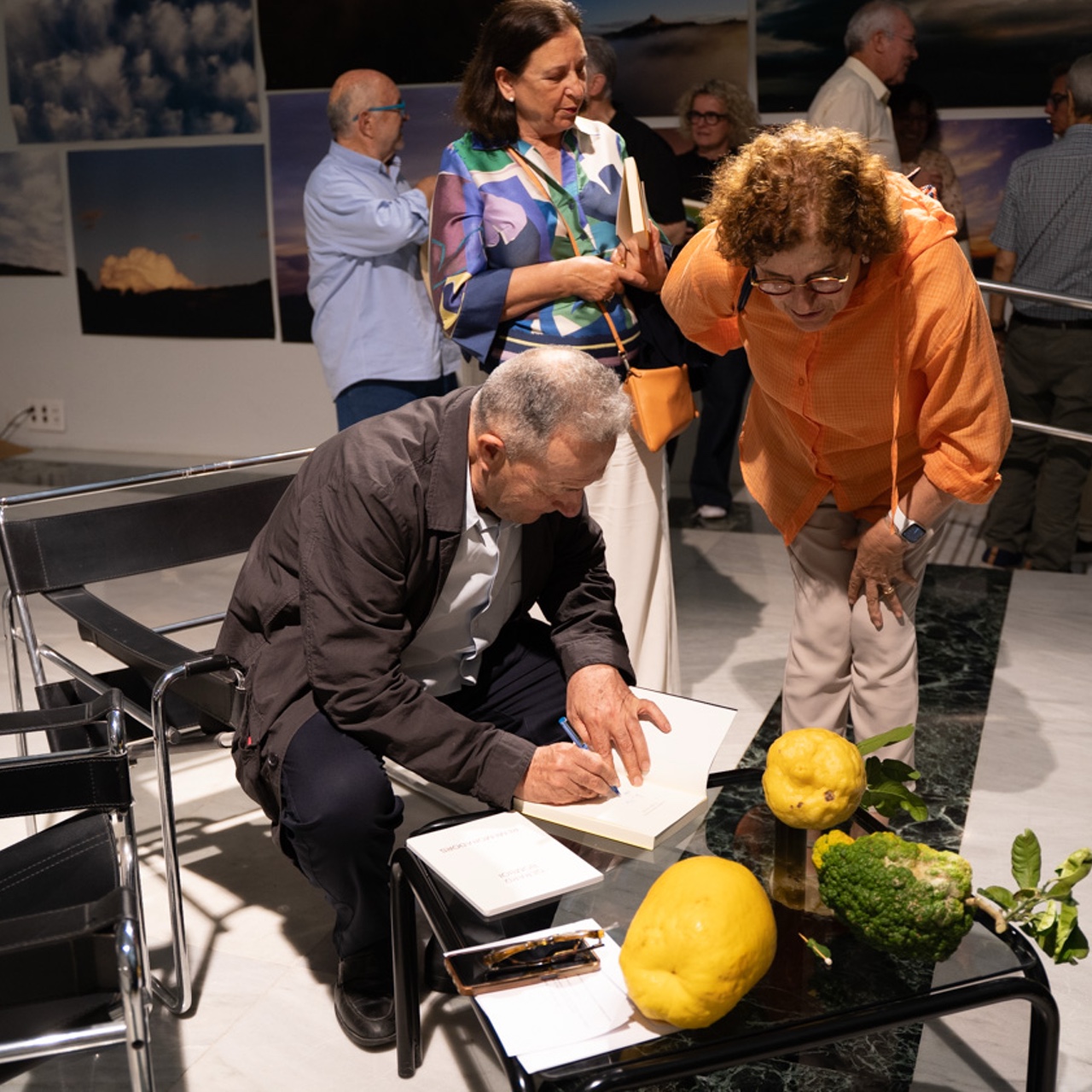
CASTELLÓ. Yesterday, the Sant Miquel Hall of Fundación Caixa Castelló hosted the talk-conversation “I Would Like to Create a Garden (and Watch It Grow). Between Art and the Land”, featuring Vicent Todolí, one of the most prominent figures in cultural management and contemporary art curatorship at an international level.
Before a large audience, Todolí shared reflections that went beyond the artistic sphere to address issues related to landscape, memory, agriculture, intellectual freedom and the experience of time. The conversation took as its starting point his Todolí Citrus project, the unique botanical garden he has developed over more than two decades in his hometown of Palmera, bringing together hundreds of citrus varieties from around the world.
During the event, Todolí explained how the project was initially conceived as an effort to preserve a fragment of the Valencian agricultural landscape threatened by urban development. Over the years, however, the garden also became a space for knowledge and personal reflection. “The land gives you back much more than you give to it,” he recalled, referring to an idea he has expressed on various occasions and which summarises the profound transformation that cultivating the land has brought to his life.
The conversation, moderated by Alfredo Llopico, cultural officer at the Castellón institution, explored the relationship between the accelerated rhythms of contemporary life and the slow temporality of nature. For Todolí, working the land allows us to understand time differently, in a way that is more closely linked to processes, observation and sustained attention. In this regard, he defended the garden as a place where we can relearn how to look and listen, but also as a form of resistance against cultural and territorial homogenisation.
Recognising the Cultural Value of Agriculture and Landscape
The Valencian director and curator also stressed the need to recognise the cultural value of agriculture and landscape, recalling that agricultural territories constitute an essential part of our collective memory. In his view, progress loses its meaning when it entails the irreversible destruction of what connects us to our history and our environment.
The second part of the discussion focused on his professional career and his vision of cultural institutions. Todolí defended the role of museums as spaces for knowledge, critical thinking and experimentation, far removed from both market logic and the obsession with visitor numbers. He advocated intellectual independence as an essential condition for developing solid cultural projects and argued that institutions should not compete with one another but rather contribute unique perspectives on contemporary reality.
Throughout the conversation, one idea repeatedly emerged as a guiding principle of his career: the importance of freedom. Freedom to think, to create, to question established norms and to build projects capable of maintaining their own identity in the face of the forces of standardisation that characterise our time.
The event offered the audience an opportunity to discover a lesser-known side of Vicent Todolí: that of the gardener and observer of the landscape. It also highlighted how many of the questions that have guided his work in the art world continue today through his relationship with the land. Two seemingly different fields that, in his case, converge in a shared defence of diversity, singularity and knowledge.